

Supported and endorsed by:
A FULLY-FUNDED 3-YEAR LUXURY YACHT APPRENTICESHIP
The Selection Process for the Apprenticeship Programme
From learning online to earning onboard
Start Your JourneyThe PCCP Apprenticeship Programme offers a structured, fully-funded pathway into professional yachting. If you are researching how to get into a yacht apprenticeship, this page explains the yacht apprenticeship selection process, from PCCP E-Learning to interview rounds and final programme entry.
This is not a course.
It’s a career pathway.
How the Apprenticeship Selection Process Works
Two intakes each year
Candidate reviews take place at the end of January and July.
To be considered, applicants must complete the PCCP E-Learning and meet high performance standards before moving into the interview and assessment stages.
Complete the PCCP E-Learning
Full Package Required
Achieve a 90% Assessment Score
Minimum Performance Standard
Online Interview — Round 1
Initial Screening
Online Interview — Round 2
Skills Assessment
Online Interview — Round 3
Final Evaluation
Final Selection and Admission
Programme Entry
Upon Selection
Successful candidates receive a confirmation call and formal invitation to the Apprenticeship Programme.
Who Can Apply
Minimum requirements:
Aged 18+
At programme start
Valid biometric passport
Required for international travel
Professional CV
Current and complete
Valid references
Professional or academic
What the Apprenticeship Includes
Fully-Funded 3-Year Luxury Yacht Apprenticeship
This structured programme fast-tracks your entry into the luxury yachting industry and provides a professional foundation that typically takes years to build independently.
You will gain:
Required certificates and competencies
Sea time and open-water sailing experience
Guest service and onboard operations exposure
Professional mentorship onboard luxury yachts
A salary while you train and work
All while learning, working, and progressing alongside other motivated apprentices on the same pathway.
What You'll Learn
Six Core Learning Areas
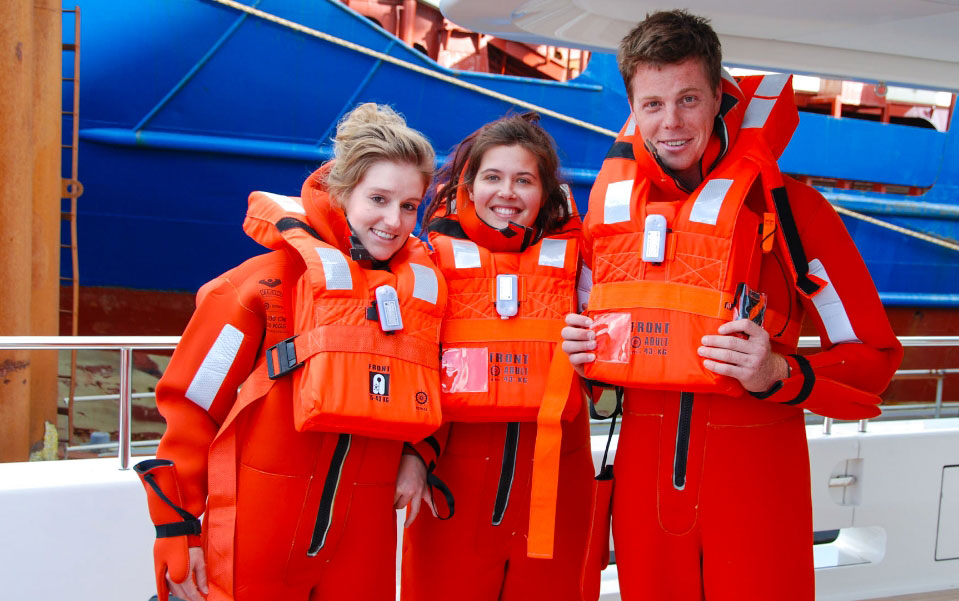
Safety
Service & Galley
Sailing, Navigation, Spars & Rigging
Deck & Interior
Engineering
Guest Services
Your PCCP learning foundation prepares you for all areas of onboard operations — before specialisation begins.
What's Included in the 3-Year Programme
Training & Support
14 internationally recognised qualifications
6 Certificates of Competence
Flights
Applicable visas
Monthly salary
Accommodation
Meals
Uniform
Learning materials
38 days annual leave
Medical fitness certification
STCW (Basic Safety Training)
Training Vessels
Hands-on training is delivered across a range of vessel types, including:
Powerboats — 4–10m
10m racing sailboats
19m luxury sailing yachts
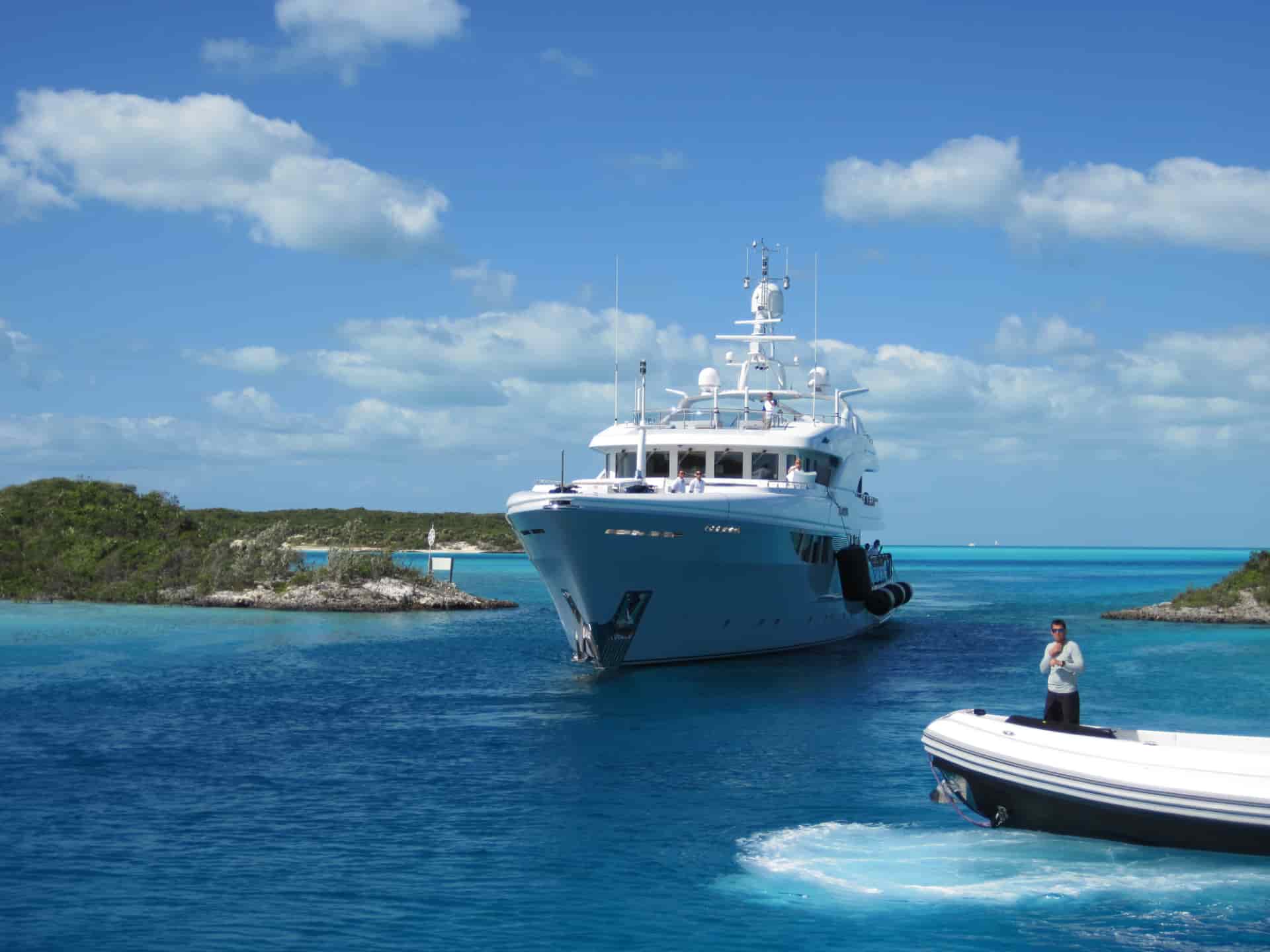
Large yachts — 25m–80m LOA
This ensures broad exposure to different vessel types, operating environments, and onboard systems.
Qualifications You'll Earn
Professional Certifications
- Food Safety & Hygiene Level 2
- PADI Open Water Diver
- PADI Rescue Diver
- Powerboat Level 2
- Efficient Deckhand (EDH)
- Master of Yachts Unlimited
- Superyacht Hospitality Certificate
- PADI Advanced Open Water Diver
- Short Range VHF Radio Operator
- AEC 1 & AEC 2
- Master of Yachts Limited
Certificates of Competence
- Safety
- Sailing, Navigation, Spars & Rigging
- Engineering
- Service & Galley
- Deck & Interior
- Guest Services
Even If You’re Not Selected
Completing PCCP still delivers real career value.
Graduates receive a PCCP Completion Certificate for their CV and crew agency profiles, signalling to agencies and captains that they have taken a considered, professional approach to entering the industry.
PCCP works with the crew agency community to promote candidates who complete the PCCP E-Learning, helping prepared newcomers increase access to placement opportunities.
Why This Pathway Works
Most newcomers enter yachting with fragmented knowledge and no structured career pathway. PCCP and the Apprenticeship Programme change that by providing a clearer route into the industry and a more transparent selection process.
A clear route from learning to real onboard experience
Reduced financial risk when entering the industry
Stronger preparation before stepping onto a yacht
Better long-term career outcomes