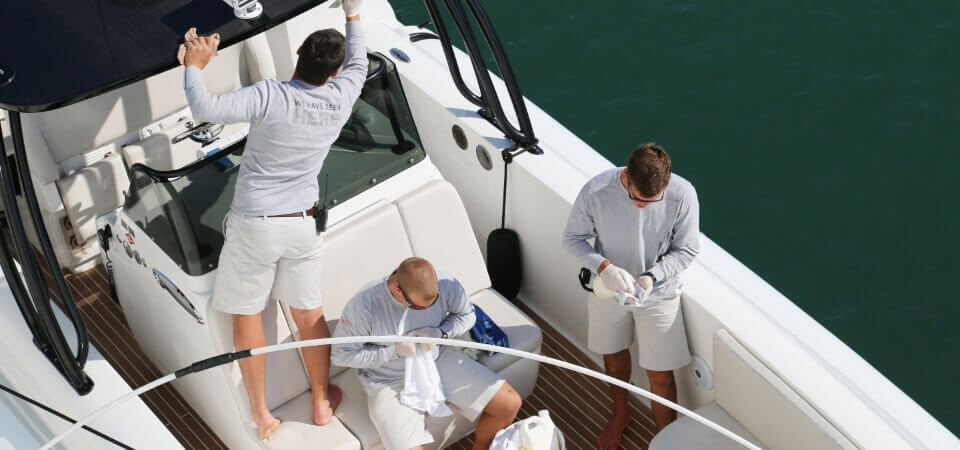
A seafarer's journey in the Deck Department typically begins as a Deck Crew Member.
In this role, the individual is immersed in practical onboard training, shadowing experienced officers while learning the intricacies of navigation, watchkeeping, and basic deck operations. This phase is critical for building foundational skills and completing the required sea time needed to progress toward certification as an Officer of the Watch (OOW).
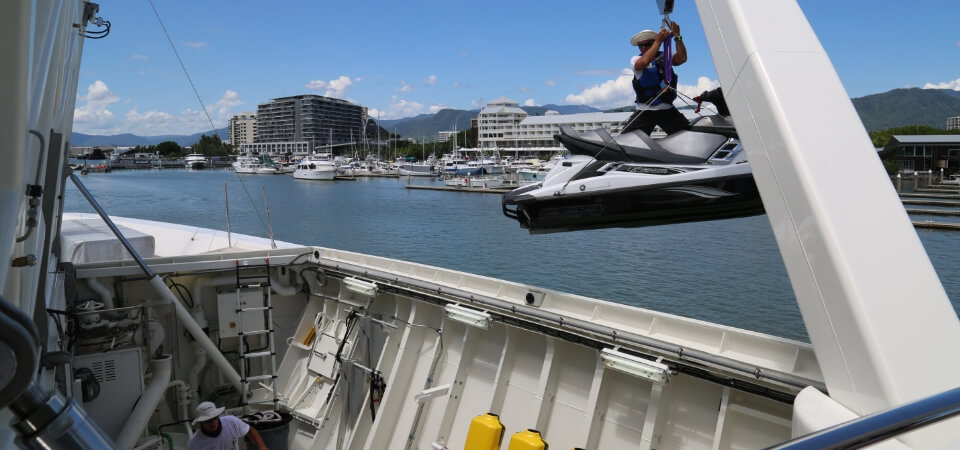
Following this position, some may take up roles as Able Seamen (ABs) or even Bosuns. These are the hands-on deck crew who handle the physical operation of the vessel —mooring and anchoring, operating deck machinery, maintaining the vessel's exterior, and supporting navigation duties when needed. The Bosun serves as the team leader among the deck crew, ensuring that all tasks are executed safely and efficiently.
Entry-Level Positions
Core Deck Roles:
Deck Crew Member: Practical onboard training, shadowing experienced officers
Able Seamen (AB): Hands-on deck operations, mooring, anchoring, and vessel maintenance
Bosun: Team leader among deck crew, ensuring safe and efficient operations
Officer Career Progression
The path from entry-level crew to commanding officer requires dedication, sea time, and progressive certification. Each officer position builds upon the previous, adding layers of responsibility and leadership.
Officer Hierarchy & Responsibilities
Third Officer: Navigation watches
Second Officer: Chief Navigator
Chief Officer: Second-in-command
Master (Captain): Ultimate authority
Leadership Positions
The Chief Officer, also known as the First Mate, is the senior-most officer in the Deck Department and second-in-command to the Captain. The Chief Officer is responsible for overseeing all cargo operations, ensuring the vessel's stability, supervising the deck crew, and maintaining the ship's safety and security procedures. It is a role that demands strong leadership, operational knowledge, and a deep understanding of the vessel's structure and limitations.
Chief Officer Responsibilities
Overseeing all cargo operations and vessel stability
Supervising deck crew and daily operations
Maintaining safety and security procedures
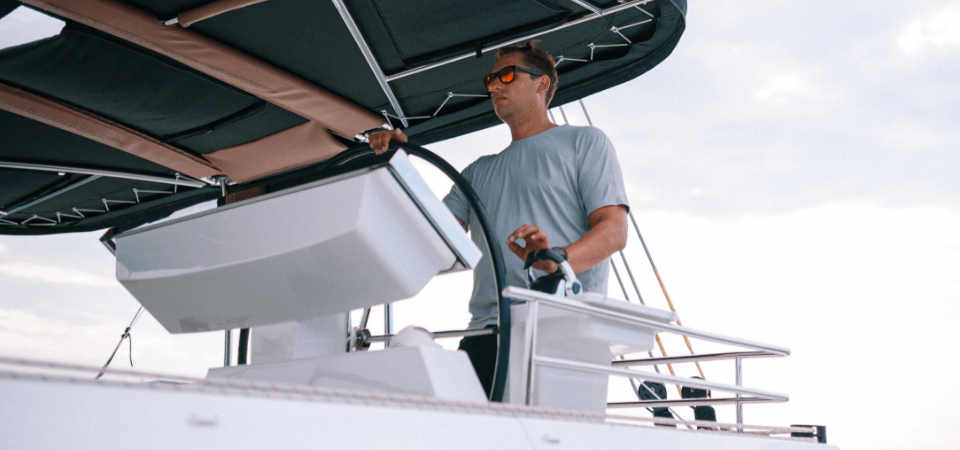
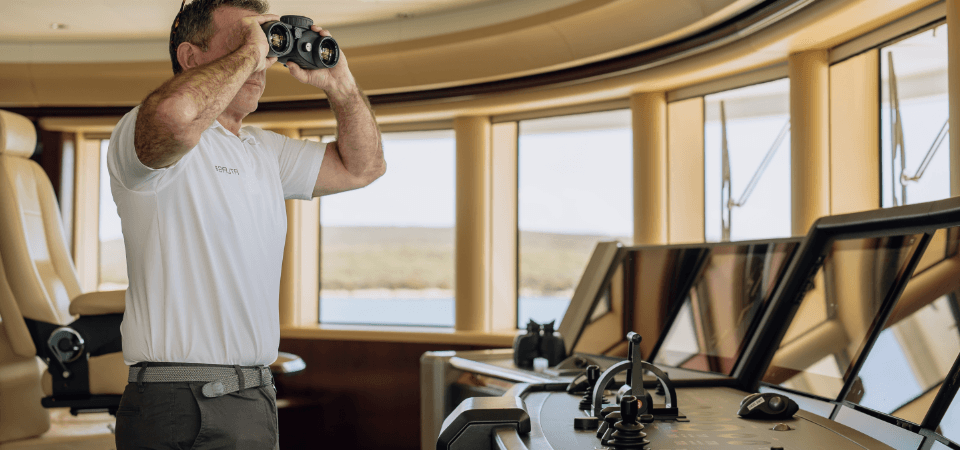
At the top of the ladder stands the Master, or Captain, who holds ultimate authority aboard the vessel. The Captain is responsible for the overall safety of the ship, her crew, her cargo, and her voyage. This includes navigational decisions, legal compliance, emergency response, and crew welfare. Every aspect of the vessel's operation ultimately rests on the Captain's shoulders.
Training & Certification
Throughout this career progression, officers undergo continuous training and certification, including STCW-compliant courses. These certifications ensure that deck officers maintain the highest standards of professional competence and seamanship.
Required Certifications
Bridge Resource Management
Radar and ARPA Operations
Chief Mate Unlimited License
The Deck career path is one of discipline, responsibility, and continual learning — offering the opportunity to rise from junior crew to captain while mastering the art and science of seamanship. Each step in this progression builds not only technical expertise but also the leadership qualities essential for commanding a vessel and ensuring the safety of all aboard.