What Successful PCCP Apprentices Are Saying About Starting Their Careers
Real stories from apprentices who began their yachting careers through the PCCP apprenticeship pathway and are now working onboard luxury yachts.



PCCP gives you the operational foundation most crew only gain onboard — helping you understand how yachts work, how departments connect, and what is expected of you before your first contract.
Real opportunity. Real outcomes.
Outstanding PCCP performers may qualify for a fully-funded three-year yacht apprenticeship programme. Initially sponsored by Meridian Adventure Limited and now joined by participating private yacht owners, this opportunity recognises the value of developing better-prepared, career-ready crew.
Top performers in PCCP — those who excel in the programme’s assessment metrics — may be invited to interview for this industry-backed apprenticeship.
This opportunity delivers immersive, hands-on training and real-world onboard experience within the luxury yachting sector — turning learning into a structured entry into yachting, not just certificates.
Why the Industry Supports PCCP
PCCP collaborates with industry partners across luxury yachting to raise standards and improve outcomes for both crew and yachts:
Elevated industry safety standards, qualifications, and expertise
Better-prepared candidates for placement and long-term employment
Reduced risk for insurers through more informed, accountable crew
Stronger understanding of human and labour rights onboard
A structured, credible learning foundation and onboard learning pathway for new entrants to the industry
Industry stakeholders support PCCP because graduates arrive with clearer expectations, stronger accountability, and a practical understanding of how life and work onboard actually function — not just theoretical knowledge.
*Apprenticeship availability is subject to eligibility criteria, assessment performance, and placement availability.
Not just certificates — real signals of readiness to crew agents.
Professional Career Development
Essential Crew Knowledge
Equitable Employment
Coastal Community Development
Opportunities for Increased Social Mobility
Professional Mentorship
Get instant access to these online courses and earn the opportunity to be selected for a fully funded Luxury Yacht Apprenticeship.
Advantages and Opportunities
12 months unlimited access
Completion certificate
305+ lessons across 11 courses
Bonus reference material
Eligibility for Apprenticeship consideration
Stream anytime, anywhere
Self-paced, online training
Get a step ahead of your peers
 Introduction to Yachting
Learn more
Introduction to Yachting
Learn more
 Sailing Course
Learn more
Sailing Course
Learn more
 Safety Course
Learn more
Safety Course
Learn more
 Deck Course
Learn more
Deck Course
Learn more
 Interior Course
Learn more
Interior Course
Learn more
 Service Course
Learn more
Service Course
Learn more
 Galley Course
Learn more
Galley Course
Learn more
 Marine Engineering Course 1
Learn more
Marine Engineering Course 1
Learn more
 Marine Engineering Course 2
Learn more
Marine Engineering Course 2
Learn more
 Contractual Obligations
Learn more
Contractual Obligations
Learn more
 Rights Awareness & Mental Wellness
Learn more
Rights Awareness & Mental Wellness
Learn more
 Reference Material
Learn more
Introduction to Yachting
Reference Material
Learn more
Introduction to Yachting
Introduction to Yachting: Step into the world of yachting with confidence. This course introduces you to the industry, life at sea, and the essentials for starting your career.
Module one introduces you to the yachting industry and what to expect when starting out. You’ll learn how to search for jobs, present yourself professionally, build a strong CV, and stand out in interviews — giving you the confidence to take your first steps toward a career at sea.
This module explains the different departments and how they work together. You learn the chain of command on a vessel and how to identify the position and rank of a person based on their epaulettes.
Your health and mental well-being are essential for safety and productivity while onboard. Module 3 focuses on professionalism and well-being at sea. You’ll learn how to maintain health and mental balance, conduct yourself appropriately with crew and guests, and understand key issues such as drug use, harassment, and where to find support if needed.
Clear communication is more than words – your body language, expressions, and tone all play a role. Module 4 teaches you how to communicate with confidence and professionalism in diverse situations with both international crew and guests.
In this module, you learn about the complexities of working with and serving people from diverse cultural backgrounds.
Module six teaches you about the international maritime law and what your rights are as a crew member. You gain a basic understanding of international maritime law and how it governs safety, conduct, and responsibilities at sea.
In the final module we discuss two certifications that are valuable to have, no matter what your role on a yacht is. We look at a summary of each certification, why they are valuable and how they can benefit your career in the maritime industry.
The score for this course contributes towards an average final score after completing all the courses.
Sailing Course
Sailing Course: Sailing is a skill to learn and master, so let us teach you the theory. This course teaches you everything from speaking like a sailor to understanding the "rules of the road" at sea.
This module covers the technical words and terms used in the forthcoming sailing training videos, designed to expand your knowledge and understanding to prepare you to enter the maritime industry.
This module introduces the basics of sailing theory and expands on the terminology learned in Module 1.
This module aims to introduce you to the Collision Regulations 'COLREGs' focusing on the main rules needed to sail a vessel safely in hours of daylight. However, the sooner you begin to familiarise yourself with the COLREG’s and begin to learn and understand them, the safer you will be at sea, and the faster you will excel in your maritime career.
Understanding the basics of chart work will help you better understand what is required to navigate safely at sea.
Passage/voyage planning is the procedure used to develop a complete description of the vessel's voyage from departure to arrival or ‘berth to berth’. Passage plans provide all the necessary information to navigate the vessel safely. Therefore, it should be comprehensive, detailed, and easy to understand.
The IALA Maritime Buoyage System is in place to improve navigational safety and to act as a barrier to dangers. When entering or exiting a port, vessels need to understand where the safe water is to navigate and the potential hazards to avoid collisions. To achieve this, we use aids to navigation; these may be buoys, lighthouses, lightships, or other fixed or floating devices.
This module provides a theoretical understanding of operating the CNB Lagoon 620 sailing vessels in a safely and efficiently. By following steps for each action, you will limit any risk of endangering yourself, the vessel, or your fellow crew members. Practical training will reinforce this learning.
This module provides a theoretical understanding of how to operate a monohull sailing vessels safely and efficiently. By following steps for each action, you will limit any risk of endangering yourself, the vessel, or your fellow crew members. Practical training will reinforce this learning.
After completing this module, you will know in theory how to maintain the standing and running rigging of the monohull and catamaran vessels. The maintenance concepts are relatively universal across all vessel types, and following the schedule is imperative to extend the working life of your rigging while keeping you safe at sea.
The score for this course contributes towards an average final score after completing all the courses.
Safety Course
Safety Course: Safety is the most important aspect of any vessel, as quick actions are required in an emergency. This course aims to provide you with the basic theoretical knowledge of safety at sea, ensuring your awareness on any vessel you board.
Awareness is the first step towards safety at sea, not just for you but for all those on board the vessel, for the vessel itself, and the environment. Knowledge of your role onboard, not just in an emergency, is essential to developing and maintaining a good safety culture. Preparation for the correct response to an emergency situation cannot start soon enough… so let’s get you started.
Life-Saving Appliances (LSA) refers to all equipment on board a vessel that protects human life at sea. Appliances include lifeboats, lifebuoys, life-jackets, life rafts, and many others to be used by passengers and crew in case of emergency to protect their lives at sea.
One of the primary causes of accidents at sea is fire. FFE refers to all equipment on board a vessel that protects human life at sea from fire. Prevention is always best, so in this awareness course, you will learn and understand the basics of fire, including its common causes onboard vessels. However, in the event of a fire, it is essential that you are aware of the detection systems and the FFE available onboard your vessel to ensure a quick and appropriate response.
This module introduces you to all the key components of the Global Maritime Distress and Safety System. The GMDSS safety procedures, equipment, and communication protocols are designed to increase safety at sea and make it easier to rescue distressed vessels.
Ultimate personal safety is achieved when safe working habits become an integral part of your reflexes rather than self-initiated actions. Knowledge of the vessel, your workspace, and your surroundings creates the necessary awareness of any risks and hazards present.
The safety of life at sea is ensured by implementing various safe practices onboard vessels through a Safety Management System. This module introduces you to vessel safety management and the basic components of the systems.
The score for this course contributes towards an average final score after completing all the courses.
Deck Course
Deck Course:This course is a theoretical introduction to the skills and knowledge you should have when applying for a deck crew position. The course covers intense knowledge-based modules.
Become familiar with the glossary to fully understand the common terminology used in the sailing industry, and how to correctly use these terms.
In this module of the course, you will learn what the deck operational drills and procedures are. These drills are executed on a timeline and in a sequence depending on the circumstances.
This module introduces you to the safety, emergency, and duty watch checklists on board a vessel. Some of these checklists are also referred to in the Operational Drills in Module 1. All of these checklists form part of a vessel's Safety Management System.
This module introduces you to the safety, emergency, and duty watch checklists on board a vessel. Some of these checklists are also referred to in the Operational Drills in Module 1. All of these checklists form part of a vessel's Safety Management System.
This module introduces you to the safety, emergency, and duty watch checklists on board a vessel. Some of these checklists are also referred to in the Operational Drills in Module 1. All of these checklists form part of a vessel's Safety Management System.
The score for this course contributes towards an average final score after completing all the courses.
Interior Course
Interior Course:During the interior course, you learn the specific ways to keep the vessel organised and maintained in an impeccable condition.
In this module, you are introduced to some of the essential procedure guides onboard a vessel. These guides are the core foundation of interior operations and standards.
The drills in this module outline the set procedure for each task or operation to ensure efficient execution and consistent results. These activities are relevant for both on and off of guest services onboard a vessel.
This module outlines the checklists of setup items required in each area and the location of their placement. These activities are relevant for both on and off of guest services onboard a vessel.
In this module, you learn what products, equipment, and tools to use and procedures to follow when maintaining the appliances, surfaces and areas of the interior of a vessel.
You also learn the optimum frequency for completing each task, for example, should they occur daily, weekly, or monthly.
The following is covered:
This module outlines the purpose of Worklist, Project Documents, and Special Purchases. You will understand the difference between these documents and when and how to use them.
The score for this course contributes towards an average final score after completing all the courses.
Service Course
Service Course:This course describes the tasks and duties of the service crew when preparing for and hosting guests onboard.
Meal service is one of the most important contributors to the overall success of the guest’s experience.
Excellent service is achieved by being fully prepared. Knowing the names and stowage locations for each item required for each set-up will allow you and your fellow crew members to work efficiently and in synergy.
This module focuses on executing the tasks required to setup and serve the guests throughout their stay.
Elegant table set-up and impeccable service leave a positive impression on the guests. If you know what to do, you can prepare the table quickly and flawlessly under time constraints and be prepared for meal service without the guests even noticing. You will learn the sequence of service and general service principles to provide highly professional service and enhance the guests' experience during meal service and throughout the day.
What happens behind the scenes is imperative to the overall success of the meal experience.
In this module, you will learn when and how to clear the table, clean up after each meal, and manage your time efficiently to prepare for the next service experience - always working efficiently, quietly, and discreetly.
This module provides an introduction to the World of Wine.
Professional and confident wine service will enhance the atmosphere of the dining experience. You will learn the fundamentals of wine, covering the different geographical origins, grape varietals, styles of wine, storage, and service.
Good communication is essential for the safety and smooth running of a vessel.
It is also essential to the success of guest services. Communication is not something that can be textbook learned; it requires situational and context awareness. Employing simple practices can assist you in building clear communication skills. Effective communication is not just about what we say; it is also about listening, recognising non-verbal signs, and always providing feedback.
Our business is in the SERVICE industry and the client is king!
In module 6 we learn how one person’s customer service principles impacted customer service worldwide. You will be introduced to the four fundamental principles on how to take care of your guests to ensure they continue to come back and spread the good word.
Excellence in service is the hallmark of a luxury experience. The standard is to meet the guest’s expectations and exceed them. If it's not perfect, it's not right.
Excellence relies not just on executing service to the highest standard but going the extra mile to ensure the guests are happy and satisfied. Although getting the basics right is easy, creating and maintaining excellence in an overall positive atmosphere onboard is the ultimate goal.
The score for this course contributes towards an average final score after completing all the courses.
Galley Course
Galley Course:Learn the theory needed to work successfully in a yacht galley, developed with the Superyacht Culinary Academy.
Meal service is one of the most important contributors to the overall success of the guest’s experience.
Excellent service is achieved by being fully prepared. Knowing the names and stowage locations for each item required for each set-up will allow you and your fellow crew members to work efficiently and in synergy.
This module focuses on executing the tasks required to setup and serve the guests throughout their stay.
Elegant table set-up and impeccable service leave a positive impression on the guests. If you know what to do, you can prepare the table quickly and flawlessly under time constraints and be prepared for meal service without the guests even noticing. You will learn the sequence of service and general service principles to provide highly professional service and enhance the guests' experience during meal service and throughout the day.
What happens behind the scenes is imperative to the overall success of the meal experience.
In this module, you will learn when and how to clear the table, clean up after each meal, and manage your time efficiently to prepare for the next service experience - always working efficiently, quietly, and discreetly.
This module provides an introduction to the World of Wine.
Professional and confident wine service will enhance the atmosphere of the dining experience. You will learn the fundamentals of wine, covering the different geographical origins, grape varietals, styles of wine, storage, and service.
Good communication is essential for the safety and smooth running of a vessel.
It is also essential to the success of guest services. Communication is not something that can be textbook learned; it requires situational and context awareness. Employing simple practices can assist you in building clear communication skills. Effective communication is not just about what we say; it is also about listening, recognising non-verbal signs, and always providing feedback.
Our business is in the SERVICE industry and the client is king!
In module 6 we learn how one person’s customer service principles impacted customer service worldwide. You will be introduced to the four fundamental principles on how to take care of your guests to ensure they continue to come back and spread the good word.
Excellence in service is the hallmark of a luxury experience. The standard is to meet the guest’s expectations and exceed them. If it's not perfect, it's not right.
Excellence relies not just on executing service to the highest standard but going the extra mile to ensure the guests are happy and satisfied. Although getting the basics right is easy, creating and maintaining excellence in an overall positive atmosphere onboard is the ultimate goal.
Excellence in service is the hallmark of a luxury experience. The standard is to meet the guest’s expectations and exceed them. If it's not perfect, it's not right.
Excellence relies not just on executing service to the highest standard but going the extra mile to ensure the guests are happy and satisfied. Although getting the basics right is easy, creating and maintaining excellence in an overall positive atmosphere onboard is the ultimate goal.
Excellence in service is the hallmark of a luxury experience. The standard is to meet the guest’s expectations and exceed them. If it's not perfect, it's not right.
Excellence relies not just on executing service to the highest standard but going the extra mile to ensure the guests are happy and satisfied. Although getting the basics right is easy, creating and maintaining excellence in an overall positive atmosphere onboard is the ultimate goal.
Excellence in service is the hallmark of a luxury experience. The standard is to meet the guest’s expectations and exceed them. If it's not perfect, it's not right.
Excellence relies not just on executing service to the highest standard but going the extra mile to ensure the guests are happy and satisfied. Although getting the basics right is easy, creating and maintaining excellence in an overall positive atmosphere onboard is the ultimate goal.
The score for this course contributes towards an average final score after completing all the courses.
Marine Engineering Course 1
Marine Engineering Course 1:This course is a theoretical introduction to the essential knowledge and practical skills required to work effectively in a yacht engine room environment.
This module introduces the fundamental principles of both compression ignition (diesel) and spark ignition (petrol) engines. Learners will gain an understanding of their construction, operation, and key differences in combustion processes.
This module explains the operating cycles of diesel engines and explores their key constructional features. Learners will study the four-stroke and two-stroke cycles, identify main engine components, and understand how each part contributes to the efficient operation of a marine diesel engine.
This module provides a comprehensive understanding of the marine diesel fuel system and its safe operation. Learners will study system layout, fuel treatment, and delivery processes, applying correct procedures and identifying potential risks to ensure safety and efficiency.
This module explores the function and importance of air in the combustion process. Learners will examine air intake and exhaust systems, turbocharging, and the relationship between air supply and efficient fuel combustion, reinforcing theoretical knowledge with practical examples.
This module develops knowledge of the design, operation, and maintenance of marine engine cooling systems. Learners will study seawater and freshwater circuits, pumping components, and safe operating practices that prevent overheating and maintain engine reliability.
This module covers the purpose and operation of lubrication systems in marine diesel engines. Learners will understand oil circulation, filtration, and cooling, and develop the competence to maintain the system and its components to prevent wear, contamination, and failure.
This module introduces the principles and components of marine electrical systems associated with engine operation. Learners will gain an understanding of batteries, alternators, starters, and basic electrical distribution, including safe maintenance and troubleshooting practices.
This module develops knowledge of marine power transmission systems, including gearboxes, couplings, stern tubes, and propellers. Learners will understand how engine power is transferred to propulsion, and how to operate and maintain these systems safely and efficiently.
This module provides an understanding of key hull fittings found on marine vessels. Learners will explore the function and maintenance of seacocks, through-hull valves, and cathodic protection systems, emphasizing safe operation and corrosion prevention.
This module outlines essential legislative and safety requirements for engineers at sea. Learners will study safe working practices, risk assessment, confined-space entry, and fire prevention, as well as environmental compliance through MARPOL and the UK Clean Maritime Plan, promoting sustainable and responsible vessel operation.
The score for this course contributes towards an average final score after completing all the courses.
Marine Engineering Course 2
Marine Engineering Course 2:This course builds on foundational knowledge, focusing on advanced yacht systems and maintenance skills for working in a yacht engine room environment.
This module explains the operation and components of a compression-type refrigerant plant. Learners will study the refrigeration cycle, changes in refrigerant state, and key system parts. The module also covers fault diagnosis, safe refrigerant handling, and procedures for charging and discharging the system.
This module develops competent knowledge of a vessel’s electrical distribution system. Learners will study system layout, testing, and troubleshooting procedures, and learn how to safely isolate and operate both fixed and portable equipment using correct personal protective equipment and safety practices.
This module introduces the principles and operation of basic hydraulic systems onboard vessels. Learners will examine hydraulic components, interpret system drawings and symbols, and develop the ability to identify faults, carry out routine maintenance, and ensure safe operation.
This module explains the design and operation of a vessel’s freshwater system. Learners will understand the requirements for storage, treatment, and testing of freshwater supplies, ensuring the system’s safety, reliability, and compliance with hygiene standards.
This module outlines the regulatory requirements for sewage treatment systems onboard vessels. Learners will identify the hazards associated with hydrogen sulphide (H₂S), ammonia (NH₃), and methane (CH₄), as well as the control measures necessary to protect crew health and maintain environmental compliance.
This module explains the key legislative and management requirements that apply to marine engineering operations. Learners will explore international and national regulations, codes of practice, and onboard management systems that ensure compliance, safety, and environmental responsibility.
This module explores the various maintenance systems used onboard vessels, including planned maintenance and condition monitoring systems. Learners will understand the importance of record-keeping and data collection for trend analysis, and gain insight into condition monitoring techniques such as lubricating oil and vibration analysis.
This module aims to identify and explain the practical skills you will need to perform safe and effective work on bolt and nut assemblies, including torquing, inspecting bolted connections, and correctly fitting split pins and lock nuts.
This module introduces the principles of safe systems of work in an engineering environment. Learners will gain an understanding of risk assessments, material safety data sheets (MSDS), and permit-to-work systems, applying these tools to ensure safety and compliance in all maintenance and operational activities.
This module explains how to carry out lifting and slinging operations safely and efficiently. Learners will understand manual lifting principles, inspection and maintenance of lifting equipment, and correct use of lifting gear for transporting heavy objects, ensuring safe practice throughout all operations.
The score for this course contributes towards an average final score after completing all the courses.
Contractual Obligations
Contractual Obligations:The foundation of any agreement is an understanding and acceptance of all terms and conditions involved. Agreements need to follow professional procedures and are legally binding to both parties.
Knowing and understanding the offer, the employment conditions, as well as your rights and obligations is critical to a fair and successful employment process. This module makes you aware of the important documentation you should expect to receive and the correct process involved when joining a vessel.
A smooth termination process, regardless of the reason, should be the ultimate goal for all involved. Therefore, you should understand what is required for a calm and successful termination to achieve a professional and fair outcome.
Most crew think that once the termination is completed successfully that their obligations are over. This module highlights the important post termination obligations that must be upheld, which could have serious consequences if neglected.
The score for this course contributes towards an average final score after completing all the courses.
Rights Awareness & Mental Wellness
Rights Awareness & Mental Wellness:Ensuring fair treatment, protection, and the preservation of fundamental freedoms of individuals living and working in the maritime industry.
Human rights are protected by law, both onshore and at sea. This module introduces students to human and labour rights and the organisations that safeguard them. It also provides students with an understanding of fundamental rights and associated responsibilities of employers, as well as guidance on addressing exploitation and abuse in order to better protect an individual's rights.
In this module, you will gain valuable insights into crucial topics, including the sensitive issue of sexual abuse at sea. You will explore prevention strategies and avenues for seeking support while highlighting the significance of fostering respect and acceptance and promoting equality, diversity, and inclusion within the maritime community.
You will learn valuable skills such as stress management and coping mechanisms by gaining knowledge about wellness, well-being, and mental health. Additionally, this module addresses workplace bullying and harassment, emphasising the creation of a respectful and inclusive environment. Understanding trauma and its varied effects enables you to respond effectively, provide support, and seek professional assistance when necessary.
Reference Material
Reference Material:In this library, you will find all the learning resources and reference documents that you would need to consult throughout your studies.
These are ONLINE courses and tests viewable in your browser window.
BUY NOW to get instant access to these online courses and tests.

Gain the opportunity to build certificates, required sea miles, open-water sailing experience, guest service experience, and practical learning within an apprenticeship team.
The crew member will earn the following qualifications during the 3-year apprenticeship:
Food Safety & Hygiene Level 2 Course for Catering
IYT Superyacht Hospitality Certificate
PADI Open Water Diver Certificate
PADI Advanced Open Water Diver Certificate
Short Range Certificate VHF Radio Operator
IYT Small Powerboat and RYA Master
Transport Malta Approved Engine Course 1
Transport Malta Approved Engine Course 2
IYT Master of Yachts Unlimited Certificate
Transport Malta Unlimited Certificate
Transport Malta Efficient Deckhand (EDH)
Earn while you learn.
Build real sea time, certificates, onboard experience, and a clearer onboard learning pathway.
With a completion certificate from PCCP, newcomers demonstrate to crew agents that they have taken time to understand the industry and consider which role or pathway may suit them best. PCCP is working with the crew agency community to recognise participants who have completed PCCP E-Learning, helping prepared candidates access a broader range of career opportunities.
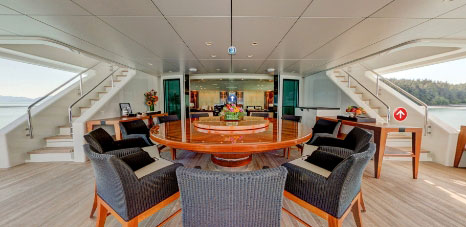
The allure of working on a superyacht exudes glamour, opulence, and the opportunity to cater to ultra-high net worth clients, which are the drawing cards for many newcomers to the industry. However, what is not often recognised is that there is limited opportunity for growth, or progression, as crew are most often compartmentalised in a specific role, and task within a department.

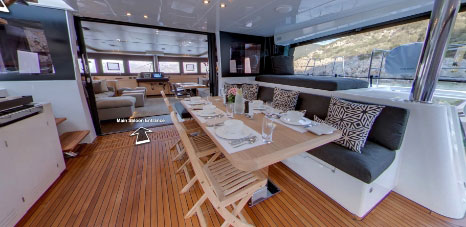
When it comes to starting a career, the notion of "bigger is better" is not always what is best for those who are serious about a professional career in the luxury yacht industry. Starting on a smaller yacht provides a unique opportunity to gain comprehensive knowledge of the tasks and responsibilities in all departments.
On a smaller vessel, individuals are required to work across multiple departments and perform a variety of tasks, which allows for a well-rounded understanding of the requirements of the industry. The hands-on experience offered on smaller yachts enables candidates to develop a strong skill set and adaptability which, prepares them for future challenges in their career.
So, while bigger yachts may have more immediate appeal, the all-round knowledge and experience gained on smaller yachts can be invaluable long term — helping serious candidates build confidence, adaptability, and progression potential faster.

If you are not sure about starting a long-term career in the Luxury Yacht Industry access the world’s most comprehensive and succinct career guidance tool here, and find out what to do, when to do it, and where to do it, at your own pace.
Watch the Overview Video below or visit the
Academy by Ephemeris Website
We recommend starting with the Introduction to Yachting Course.
This course gives you a clear understanding of how the industry operates, what each department does, and which career pathways may suit you before progressing further.
Real stories from apprentices who began their yachting careers through the PCCP apprenticeship pathway and are now working onboard luxury yachts.
Watch this short video to learn how to buy, what to expect, and how to contact us if you need help.
Supported and endorsed by:

Promotes global advocacy protecting seafarers’ rights and dignity.

A human rights consultancy specialising in the maritime environment globally
Protecting Crew Lives is an independent, advocacy-led, informational community