A career in yacht engineering typically begins with a role as a Junior Engineer or Engineering Cadet.
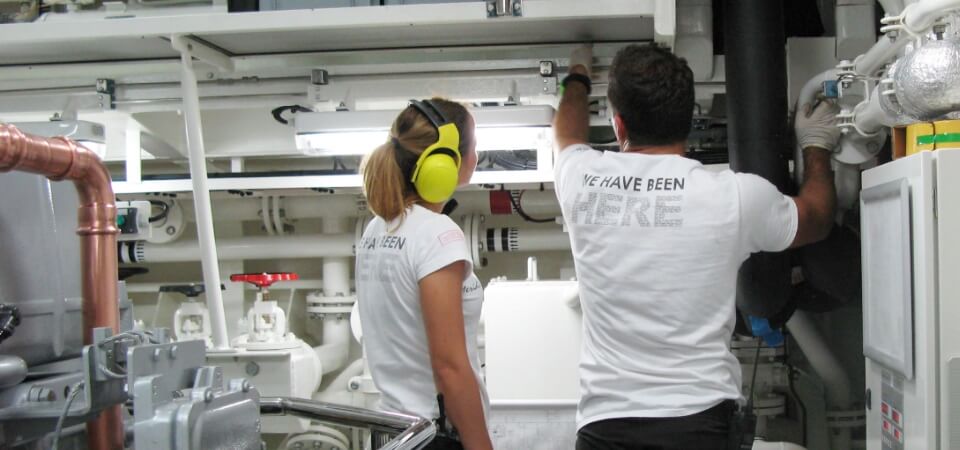
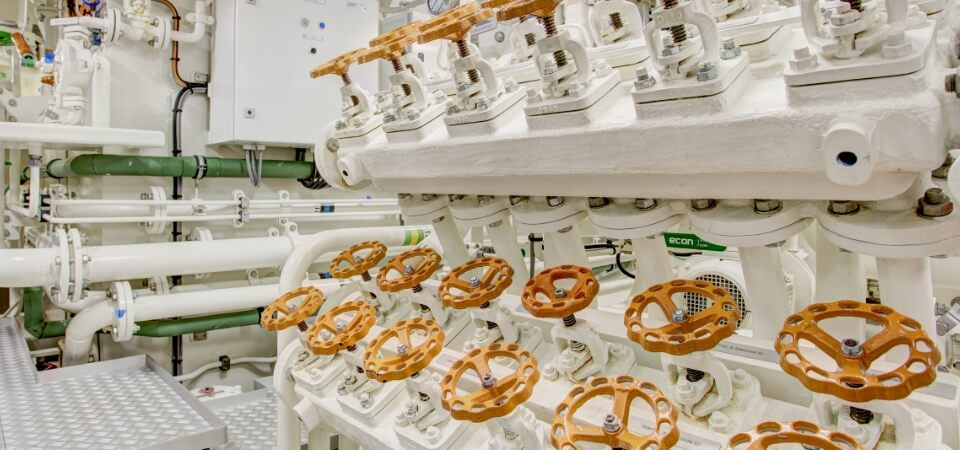
This entry-level position is focused on learning the basics — understanding the layout of the engine room, assisting with routine
maintenance, and familiarising oneself with onboard systems under the close supervision of senior engineers. Practical, hands-on
learning is combined with classroom-based certification, most notably the AEC 1 & 2 (Approved Engine Course) and STCW
Basic Safety Training.
Career Progression
After gaining experience and the required sea time, one progresses to the position of Second Engineer or Third Engineer
depending on the vessel's size and complexity. These roles come with increased responsibility: assisting with watchkeeping
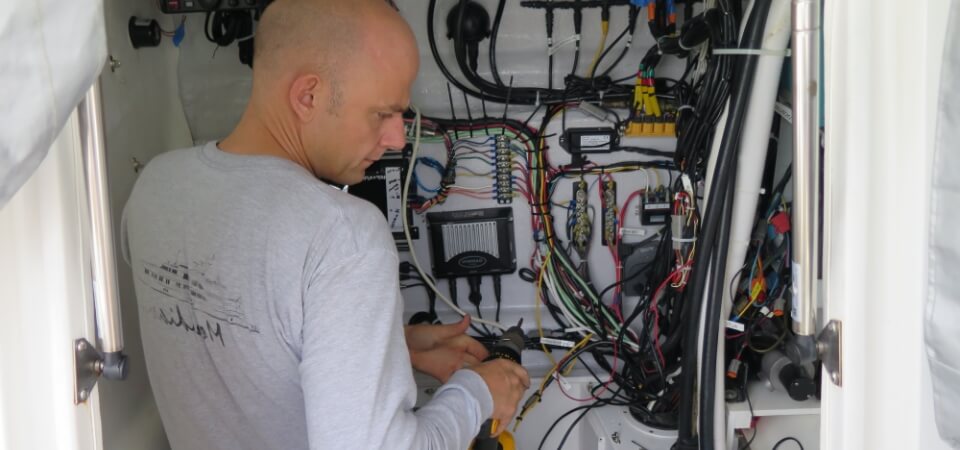
duties, overseeing specific systems (such as HVAC or generators), and ensuring routine maintenance is completed to
manufacturer and class standards.
Key Responsibilities
Assisting with watchkeeping duties and system monitoring
Overseeing specific systems including HVAC and generators
Ensuring routine maintenance meets manufacturer and class standards
The Chief Engineer
On larger yachts or those operating under commercial codes, the Chief Engineer stands as the department head. This individual
is responsible for the overall management of the engine room and all technical systems onboard. They maintain engine logs,
oversee planned maintenance schedules, coordinate with classification societies for surveys, and liaise directly with the Captain
and management company regarding budgets, spare parts, and technical upgrades.
Chief Engineer Core Duties
Planned maintenance oversight
Classification society coordination
Budget and technical liaison
Certifications & Technical Knowledge
Yacht Chief Engineers must hold relevant licenses such as Y4 to Y1 for yachts over 200GT and up to 3,000kW, or STCW III/2,
III/1 limits depending on the yacht's tonnage and flag requirements. Engineering officers are also required to keep up with
updates in systems such as hybrid propulsion, advanced automation, emissions control, and alternative fuels.
Required Certifications & Knowledge
Y4 to Y1 licenses or STCW III/2, III/1 tickets based on vessel requirements
Knowledge of hybrid propulsion and advanced automation systems
Expertise in emissions control and alternative fuel technologies
Essential Skills & Qualities
Beyond technical know-how, engineering officers must possess strong problem-solving abilities and a calm, methodical
approach to troubleshooting. Whether managing an emergency at sea or fine-tuning an air-conditioning system while guests are
aboard, the ability to quickly and efficiently keep the vessel running is the hallmark of a successful yacht engineer.
Key Professional Attributes
Strong problem-solving abilities
Calm, methodical troubleshooting approach
Emergency management capability
Efficient, discreet operation
The career trajectory in the Engineering Department is not just linear — it's transformative. From apprentice to technical leader,
engineers on board yachts are often some of the most relied-upon individuals in the operation, working behind the scenes to
deliver an experience of effortless luxury and absolute safety.